July 23, 2026
Leaving your beloved canine companion behind when you travel can be a source of significant anxiety for any pet owner. According to Dogster, there are 9,000 boarding kennels across the US and Canada. Asking the right questions before booking a stay ensures your dog receives top-quality care and enjoys a safe, comfortable, and highly stimulating environment.
What Vaccination Records Do You Require?
The very first question you should ask any prospective facility concerns their pet health protocols. A high-quality boarding service must prioritize the physical well-being of all its guests by enforcing strict vaccination guidelines. You want to make sure the provider requires proof of up-to-date Rabies, Distemper, Parvo, and Bordetella vaccinations before admitting any pet into their care. Enforcing these strict health standards dramatically reduces the risk of contagious illnesses, such as kennel cough, spreading among the dogs in the facility. Asking this question gives you immediate peace of mind that your dog will be sharing space only with fully protected playmates.
Beyond basic vaccinations, it is also smart to ask how they handle flea and tick prevention. Trusted facilities usually require all dogs to be on a regular preventative treatment plan before they arrive for their stay. They may also conduct a quick physical check of each pet upon arrival to ensure no active pests enter the clean lodging areas. Understanding these preventative measures shows you that the kennel operators are proactive, highly organized, and dedicated to maintaining a clean, sanitary environment for every guest.
How Is Your Facility Temperature Controlled?
Texas weather can be incredibly unpredictable, with sweltering summer heatwaves and sudden winter cold snaps. Therefore, you must ask if the facility features reliable, commercial-grade air conditioning and heating systems throughout the pet housing areas. A quality boarding service should maintain a stable, climate-controlled indoor climate to protect dogs from heatstroke, dehydration, or extreme cold. This is particularly crucial for senior pets, puppies, or brachycephalic breeds that struggle to regulate their body temperatures in hot weather.
In addition to temperature regulation, inquire about the ventilation and air filtration systems. Proper air circulation is essential for keeping the air fresh, eliminating odors, and preventing the airborne transmission of common respiratory infections. Knowing that your dog will rest in a clean, climate-controlled room with constant fresh air allows you to travel without worrying about their physical comfort. A truly professional kennel will gladly show you their indoor setups and explain how they monitor and maintain these temperature controls around the clock.
What Sleeping Accommodations Do You Provide?
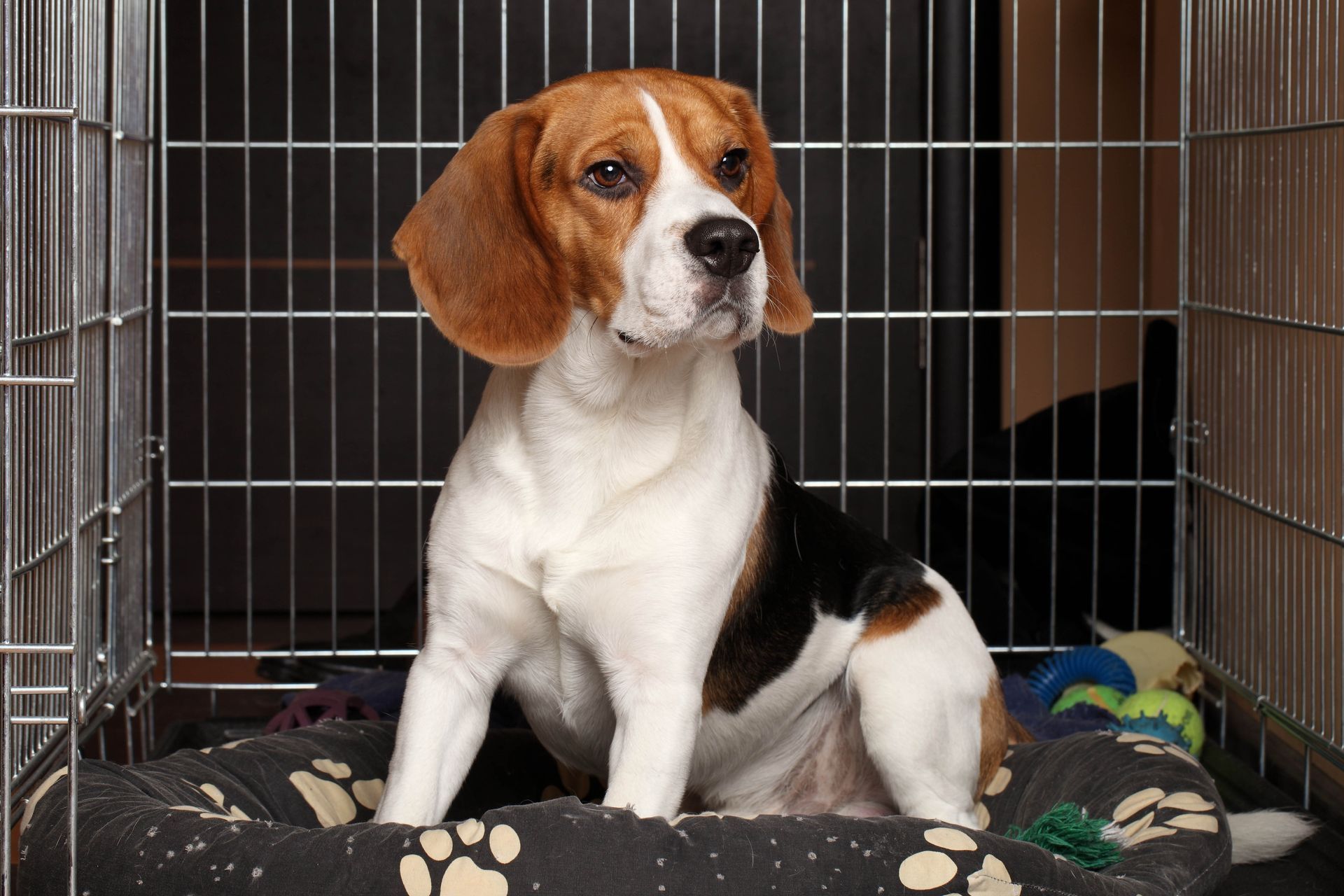
Your dog deserves a cozy, stress-free place to rest after a busy day of play and exercise. Ask the facility what specific bedding they provide, and whether they utilize durable, chew-proof beds to keep the dogs safe and comfortable. Chew-proof elevated beds are excellent because they keep pets off the cold floor, provide joint-friendly support, and cannot be easily destroyed by dogs that chew when they feel anxious. This small but important detail highlights the provider's commitment to safety and comfort in their sleeping quarters.
You should also ask if you are allowed to bring familiar items from home, such as a favorite toy or a blanket that smells like you. Many dogs cope much better with a new environment when they have familiar scents nearby to soothe their nerves at bedtime. However, some facilities have strict rules regarding personal items to prevent them from getting lost or damaged during wash cycles. Understanding these boarding policies beforehand helps you prepare your dog's packing list correctly and ensures their private run feels as familiar and inviting as possible.
How Much Play and Exercise Time is Included?
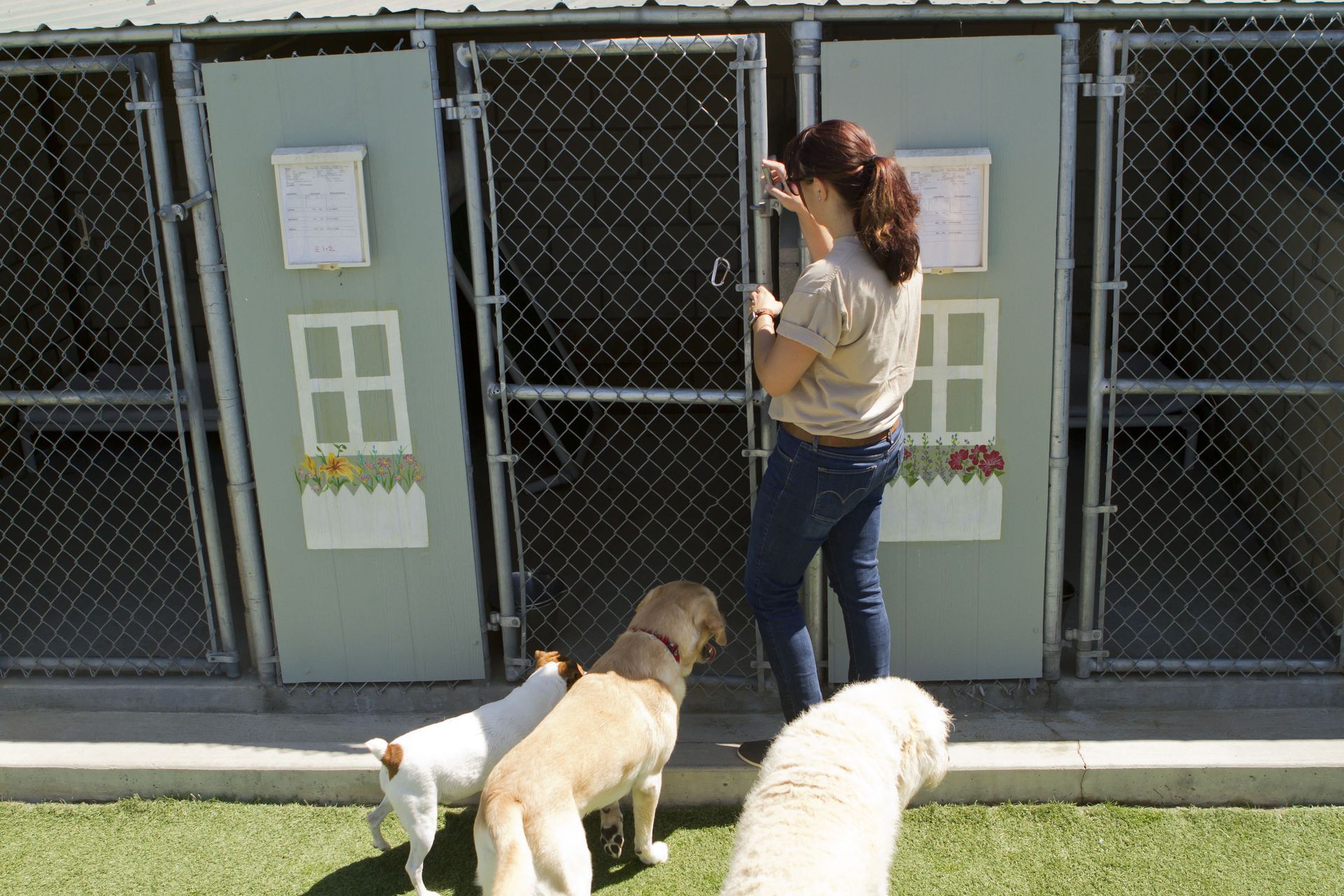
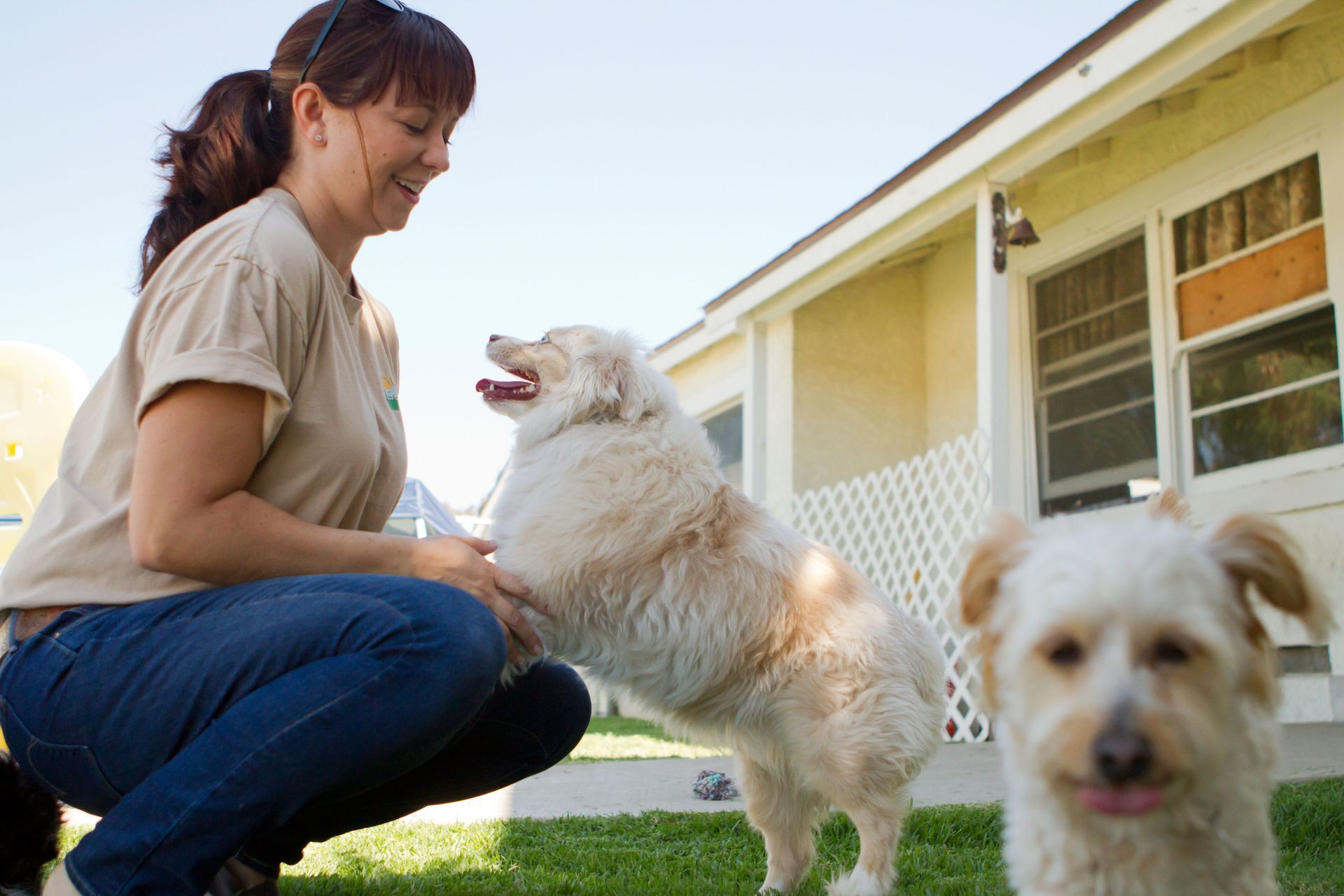
Physical activity and mental stimulation are essential for keeping your dog happy and reducing boarding-related stress. Inquire about the layout of the outdoor play areas, including whether they have spacious, secure play yards for the dogs to run around. You should ask how many times a day the dogs are let out to play, and whether they participate in group play sessions or individual playtime with staff members. A top-tier boarding service will carefully evaluate your dog's temperament to determine the safest and most enjoyable exercise routine for their specific personality.
If your dog is highly energetic, they might benefit from a program that combines lodging with structured activities to keep their minds active. Some pet owners seek out facilities that offer professional obedience training alongside their standard boarding programs to reinforce positive behaviors while they are away. Understanding how the staff manages play yards and structures daily exercise ensures your pet returns home happy, healthy, and well-behaved, rather than anxious or full of pent-up energy.
How Do You Manage Medications and Special Diets?
Many dogs require regular medications, supplements, or specific dietary plans to maintain their health. You must ask if the facility staff is fully trained and comfortable administering oral medications, eye drops, or special supplements on a strict schedule. A reliable boarding service will have a highly organized system for tracking medical instructions and documenting each dose administered to your pet. They should also ask you to bring medications in their original prescription bottles with clear, detailed instructions from your veterinarian.
Dietary consistency is another critical factor in preventing digestive upset during your dog's stay. Ask if the kennel requires you to bring your pet's regular food, and how they handle portion control and feeding schedules. Rapidly switching a dog's food can lead to stomach issues, so keeping them on their normal diet is always the best approach. Knowing that the team on-site will meticulously follow your dog's exact feeding and medication schedule ensures their physical routine remains completely uninterrupted.
It is also highly recommended to ask how they handle special storage requirements, such as refrigerating wet food or keeping sensitive liquid medications cool. If your dog has severe food allergies, you should find out what precautions the staff takes to prevent cross-contamination during meal prep. A premium facility will prepare meals individually and clean bowls thoroughly between feedings.
What Are Your Emergency Protocols and Procedures?
No pet owner wants to think about an emergency, but knowing the facility's plans for unexpected situations is essential. Ask what steps the staff takes if a dog shows signs of illness, or if an accidental injury occurs during playtime. A professional boarding provider should have a clear, documented emergency plan that includes immediate contact with your personal veterinarian or a trusted local twenty-four-hour emergency clinic. They should also ask you for secondary emergency contacts who can make medical decisions on your behalf if you are unreachable.
Additionally, ask about the staff-to-dog ratio and whether someone is monitoring the facility during overnight hours. Understanding how the team handles severe weather situations, power outages, or other building emergencies gives you complete confidence in their preparedness. When a provider has robust, transparent emergency protocols in place, it proves they value your pet's life and safety above everything else.
Choosing the right partner to care for your canine family member requires asking the right questions, but finding a team that treats your pet like family makes all the difference. Our professional facility is fully equipped with climate-controlled indoor lodging, spacious play yards, comfortable chew-proof beds, and highly experienced caretakers. Reach out to Seven Oaks Kennel today to ask your questions, schedule a tour of our grounds, and book your dog's next comfortable boarding service stay.